
Vanity · Sydney
Marble vanity tops, etched by toothpaste and time.
Rings from bottles, dull patches around the basin, a top that has gone flat under the mirror light. A vanity is a small surface and a fast job, and it is nearly always done alongside the floor.
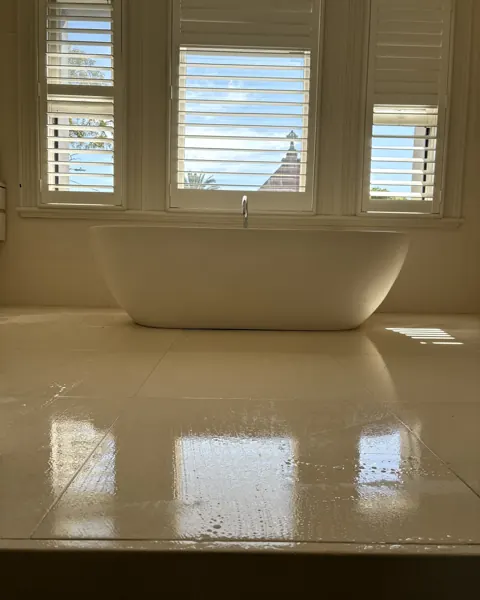
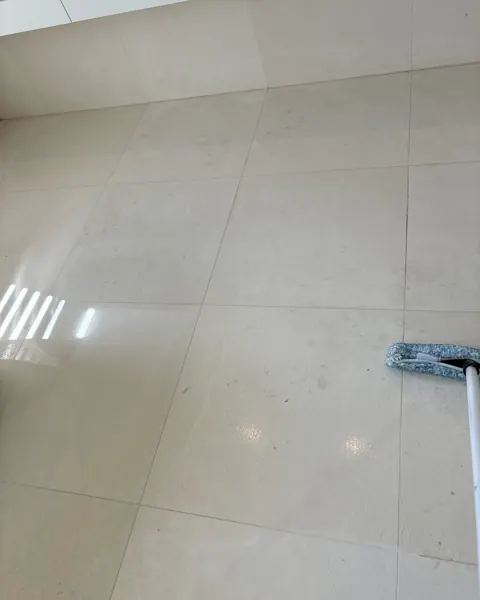
What we do to a vanity.
Vanity tops sit under the most unforgiving light in the house and take the most acidic products. Toothpaste, mouthwash and most hand soaps etch marble, and the area around the basin goes first. Because it is a small surface, a vanity is usually the quickest restoration we do. Because the floor beneath it is usually in the same condition, the two are best done together.
- Etch rings and dull patches honed out
- Polished back to match the rest of the top
- Edge chips filled and colour-matched
- Sealed against the products that caused it
The price shape.
Method first, then the band. Every figure on this site comes from invoices, never from a guess.
Vanity top
A vanity on its own is a half-day. Done with the bathroom floor it adds an hour or two to that job.
1 documented vanity job.
Shot as found and as left, from the same spot. What could not be fixed is on every record.
Questions about vanities
Can etched marble be restored, or does it need replacing?
Etched marble can be restored in place, and replacement is almost never the right answer. Etching is a thin layer of the polished surface dissolved by acid. It is not a stain and it does not go deep. The mark is honed off with diamond abrasives and the area is re-polished to match the rest of the top. On a benchtop that is usually a couple of hours of work, done on the bench with the kitchen protected. Deep etching that has left a visible dip takes more honing and blends less perfectly, and that is exactly the sort of case we cut a test patch for before committing. Replacing a benchtop means a new slab, templating, fabrication, removal, plumbing and a splashback, and weeks without a kitchen. Restoring it is a fraction of that.
What causes water marks on marble, and do they come out?
Water marks on marble are usually one of two things, and both come out. Around a basin or on a shower ledge, a white ring or haze is mineral deposit from hard water evaporating, which strips off. A dull ring where a wet glass or bottle sat is etching, where the acidity of what was in the glass has dulled the polish, and that is honed and re-polished. The two look similar and are handled differently, so a photo helps us tell you which you have. Neither is a reason to replace the stone.
How often should marble be sealed?
It depends on the surface and what it takes. A kitchen benchtop or a shower, which see acid, oil and water daily, are usually resealed every twelve months. A floor or a table in a lower-traffic room goes two years or more. The honest test is the water bead: a few drops left on the stone for ten minutes should sit up. If they soak in and darken the stone, the sealer has worn and it is time. We add every surface we seal to a reminder list and message you when yours is due, so you do not have to remember.
What is wrong with it
Other surfaces
Send a photo of the vanity.
Two or three photos, your suburb, and what is bothering you. Most benchtop, vanity and table quotes come back the same day.
